

Fuel is one of the biggest ongoing expenses in trucking, and diesel prices do not move in a straight line. For carriers managing tight margins, small shifts at the pump can have a real impact on monthly profitability. That makes cost control a priority, not an afterthought.
Fuel cards do more than simplify how carriers pay at the pump. They reduce per-gallon costs, centralize expense tracking, strengthen spending controls, and can work alongside other financial tools to help carriers keep cashflow steady.
Solutions like the OTR Fuel Card also give carriers access to nationwide discount networks and operational tools designed specifically for trucking businesses. Here is a breakdown of 10 fuel card benefits and what carriers should look for in 2026.
1. Save money on every gallon of diesel
The primary benefit of a fuel card is fuel savings through negotiated network discounts. Fuel card providers work directly with truck stops and fuel networks to secure below-retail pricing, helping carriers reduce fuel costs at the pump instead of waiting on post-purchase rebates. That makes it easier to see actual fuel costs in real time and better understand operating expenses per load.
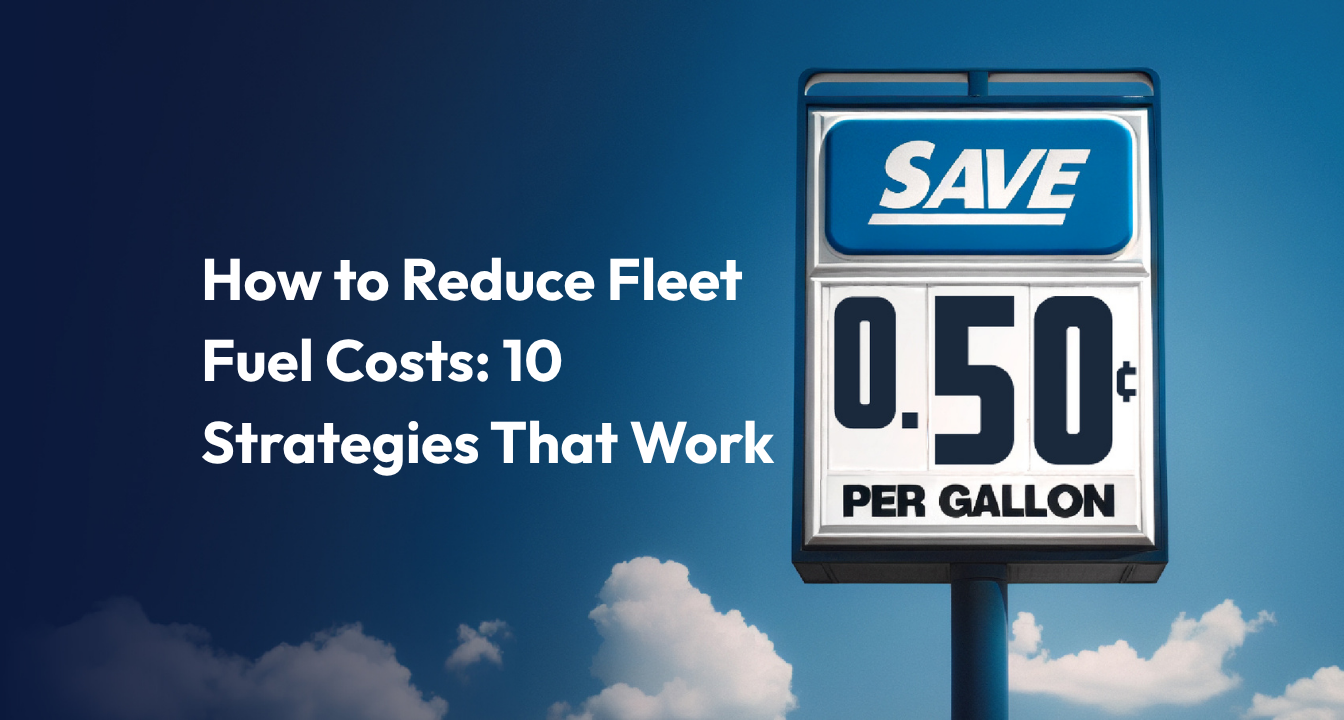
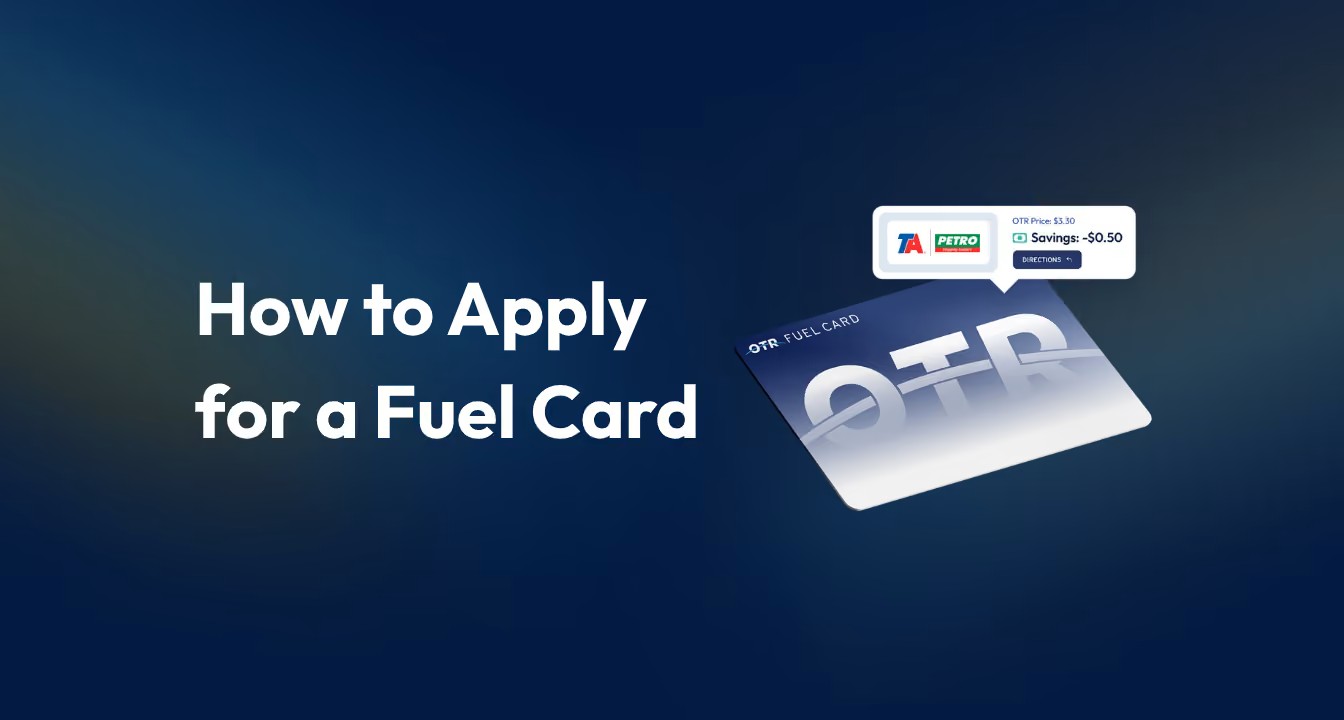
Discounts vary based on location, network participation, and card provider, but even small per-gallon savings can add up quickly over time. Carriers using the OTR Fuel Card save an average of $0.50 per gallon at more than 3,000 in-network locations across the country. Many trucking companies use fuel cards alongside other operational strategies to save on diesel fuel.
2. Improve cashflow between loads
Fuel expenses happen at the pump, but freight payments can take 30 to 90 days to arrive from brokers. That gap creates real pressure for carriers trying to cover operating costs between loads. Fuel cards help by offering weekly billing cycles or flexible payment options, which spread out the cost of fuel rather than requiring full payment at the time of purchase.
For carriers facing delayed broker payments, pairing a fuel card with freight factoring can help close the gap further. With OTR Solutions' Truly Instant Funding, approved and processed invoices can be funded within minutes, available 24/7 through the OTR Mobile App. That gives carriers faster access to their earnings to cover fuel and other operating costs without waiting on broker payment cycles.
3. Track fuel spending automatically
Fuel cards replace paper receipts and manual logging with a centralized digital record of every transaction. That visibility helps both owner-operators and fleet managers stay on top of fuel expenses without digging through receipts at the end of the month.
Key tracking features most fuel cards include:
- Fuel purchase records by driver or truck
- Real-time transaction visibility
- Spend summaries across multiple vehicles
- Easier expense reconciliation
- Reduced paperwork at tax time
4. Simplify IFTA reporting
Many fuel cards automatically track fuel purchases by state, which directly simplifies IFTA calculations. Instead of manually logging fill-ups and cross-referencing them against state-by-state mileage records, carriers can pull organized transaction data that is already sorted by location.
That kind of organized recordkeeping also helps during audits and compliance reviews. When a carrier can produce a clean, date-stamped digital record of every fuel purchase, the administrative burden of IFTA season drops considerably.
Accurate fuel transaction data can also make International Fuel Tax Association requirements easier to manage throughout the quarter, especially when paired with a consistent process for IFTA fuel tax reporting.
5. Gain better control over driver spending
Fuel cards give carriers direct control over how, when, and where drivers can make purchases. That reduces unnecessary costs and closes common gaps that lead to overspending.
Controls carriers can typically set include:
- Per-day or per-transaction gallon limits
- Restrictions limiting purchases to fuel only
- Driver-specific PIN protection
- Fuel type restrictions (diesel only, for example)
- Real-time alerts for unusual or out-of-pattern transactions
6. Reduce fuel fraud and unauthorized purchases
Fuel fraud and unauthorized purchases are a quiet drain on profitability, and they are more common than many carriers expect. Modern fuel cards address this through layered security tools that create accountability at every transaction.
PIN requirements, real-time transaction monitoring, and purchase controls all work together to flag or block suspicious activity before it becomes a recurring cost. Digital recordkeeping also means there is a timestamped, location-tagged record of every fill-up, which makes it easier to identify patterns that do not line up with actual routes or load schedules.
7. Access large truck stop networks
Network size matters because carriers cannot always plan around a specific stop. Routes change, traffic happens, and detours are part of the job. A fuel card that only covers a small network of locations loses its value quickly when drivers are not near a participating stop.
Larger acceptance networks give carriers flexibility without sacrificing savings. Carriers can also find the cheapest diesel fuel along their route with Fuel Finder in the OTR Mobile App. This tool helps to locate available discounts by distance so carriers can plan fuel stops with their margins in mind.
8. Save time on administrative work
Manual expense management takes time that carriers could spend running their operation. Fuel cards automate a significant portion of the back-office work tied to fuel costs, reducing the hours spent reconciling receipts and preparing expense reports.
Administrative time savings include:
- Digital transaction records stored automatically
- Automated expense tracking across drivers and vehicles
- Fewer paper receipts to collect and organize
- Faster accounting workflows at month-end
- Cleaner documentation for tax preparation
9. Access additional perks beyond fuel discounts
Some fuel cards extend savings beyond diesel. Carriers may have access to maintenance discounts, tire programs, and other operational benefits that reduce costs in other areas of the business.
For carriers using tools like the OTR Mobile App, those additional features, including Fuel Finder, broker checks, invoice tracking, and payment management, are all accessible from one platform. That kind of integration reduces the number of separate tools a carrier needs to manage daily operations.
Having fuel tracking, invoice management, broker checks, and other carrier tools connected in one platform can make day-to-day operations easier to manage.
10. Improve overall profit margins
Fuel cards contribute to profitability in several ways at once. Lower per-gallon costs reduce one of the largest variable expenses in trucking. Spending controls cut waste. Better visibility into fuel spending helps carriers identify inefficiencies before they compound. And when fuel card savings are paired with faster access to invoice payments, cashflow becomes easier to manage across the full operation.
None of these benefits are dramatic in isolation, but together they represent meaningful reductions in operating costs. For carriers focused on maintaining a stable, lean operation in a competitive freight market, fuel cards are a practical and well-supported tool for keeping margins as tight as possible.
Frequently asked questions
What is the advantage of having a fuel card?
Fuel cards provide negotiated per-gallon discounts, centralize expense tracking, and offer spending controls that reduce waste and unauthorized purchases.
How much can truck drivers save with a fuel card?
Savings vary by card and network, but carriers typically save between $0.20 and $0.50 per gallon on average, with some in-network locations offering savings up to $2.25 per gallon.
Are fuel cards worth it for owner-operators?
Yes. Even a single truck generates meaningful monthly savings at average per-gallon discounts, and the expense tracking features reduce administrative time that owner-operators cannot afford to lose.
Is it cheaper to use a fuel card than a regular credit card?
Fuel cards generally offer deeper per-gallon discounts than standard credit card rewards programs, and they include controls that credit cards do not. For a deeper breakdown, see our fuel card vs. credit card comparison.
What should trucking companies look for in a fuel card?
Carriers should evaluate network size, per-gallon discount structure, spending controls, reporting tools, and any fees tied to transactions or card use. See our guide to choosing the best fuel card for your trucking company.
Fuel card benefits can make a major impact on operating costs
Fuel is too large an expense to leave unmanaged. The right fuel card reduces what carriers pay per gallon, simplifies tracking and reporting, and gives carriers better control over how drivers spend on the road. Those savings and efficiencies add up across every load, every month.