

Carriers pay for fuel, maintenance, insurance, and payroll long before brokers or shippers ever pay their invoices. Freight factoring closes the timing gap by turning unpaid invoices into available cash, so carriers don't have to wait 30, 60, or even 90 days to get paid.
Faster funding is only one advantage. In this guide, we'll explain eight benefits of freight factoring for owner-operators and trucking companies, from steadier cashflow and less back-office work to broker credit checks, nonpayment protection, fuel savings, and the key downsides worth weighing before you sign.
Key Takeaways:
- Get paid faster: Access money from completed loads without waiting weeks for brokers or shippers to pay.
- Improve cashflow: Keep funds available for fuel, maintenance, payroll, and other operating expenses.
- Check broker credit: Evaluate broker and shipper payment reliability before accepting loads.
- Avoid traditional debt: Access funding based largely on customer creditworthiness without taking out a loan.
- Reduce nonpayment risk: OTR's True Non-Recourse Factoring protects against qualifying broker nonpayment without chargebacks.
What are the benefits of freight factoring?
The main benefits of freight factoring are faster payment on completed loads, more predictable cashflow, less time on invoicing and collections, broker credit checks, funding without loan debt, room to grow, protection against certain nonpayment risks, and the option to pair factoring with fuel savings.
1. Get paid faster for completed loads
Freight factoring lets carriers access money tied up in unpaid invoices instead of waiting on a broker's or shipper's normal payment cycle. Many brokers and shippers pay on net-30, net-45, or net-60 terms, which creates a gap between when a carrier earns revenue and when that money arrives.
Instead of waiting weeks for a single invoice to clear, carriers can put that money toward their next load, fuel stop, or upcoming expense. And with OTR Solutions' Truly Instant Funding, approved invoices can be funded instantly, 24/7, including nights, weekends, and holidays. That means carriers aren't limited to traditional banking hours when they need access to their money.
2. Maintain more predictable cashflow
Freight factoring improves cashflow by making the timing of incoming funds more consistent. Faster payment helps with a single invoice, while predictable cashflow helps carriers plan every week, since funds no longer depend on each broker's or shipper's payment schedule.
That consistency makes it easier to cover recurring costs like fuel, maintenance, insurance, payroll, tolls, and truck payments without gaps between completing a load and getting paid. Owner-operators and smaller fleets often feel this most, since they may have less cash on hand to absorb long payment cycles.
3. Spend less time on invoicing and collections
Freight factoring cuts down the time carriers spend managing receivables, which matters most for owner-operators and small fleets without a back-office team. The exact scope varies by provider and agreement, but factoring can reduce time spent on:
- Processing invoices
- Tracking outstanding payments
- Following up with brokers and shippers
- Managing collections
- Reconciling payments
Those tasks can quickly add up, especially when you're managing multiple loads or running a business on your own. OTR Solutions helps take that work off your plate with a dedicated account manager and team that processes invoices, bills brokers, and handles collections on factored invoices. Carriers can also track invoice history and payment status through the OTR Mobile App and Client Portal, without having to chase down every payment themselves.
4. Make more informed decisions about brokers and shippers
Taking a load from an unfamiliar broker comes with some uncertainty. Will they pay on time? Are they financially reliable? Freight factoring can help carriers answer those questions before committing to a load.
Factoring companies typically evaluate the creditworthiness of brokers and shippers, helping carriers identify potential payment risks. OTR Solutions offers 24/7 broker checks, so carriers can confirm whether a broker is approved to factor before accepting freight.
That visibility can work both ways. Through OTR Select, brokers can discover independently verified carriers actively running their lanes, helping factoring clients in OTR's network gain visibility with brokers looking for capacity.
5. Access funding without taking out a traditional loan
Freight factoring differs from a traditional business loan because carriers sell eligible invoices rather than borrow against future revenue. It doesn't create loan debt, and comparing factoring vs. traditional loans shows why it often fits day-to-day cashflow needs better.
Qualification o depends more on the creditworthiness of the carrier's customers than the carrier's own credit, since those customers pay the invoices. That can make factoring a practical option for new carriers and owner-operators without a long credit history or credit history at all.
6. Support business growth without waiting on outstanding invoices
Growth can create its own cashflow challenges. Taking on more loads means spending more on fuel, drivers, and equipment, often before the revenue from those loads comes in. Freight factoring helps close that gap by making money from completed loads available sooner, giving carriers more flexibility to take on new opportunities without waiting for outstanding invoices to clear.
- Take on additional loads
- Cover fuel for more miles
- Pay additional drivers
- Add equipment
- Enter new lanes
- Handle higher operating expenses
Factoring won't make an unprofitable load profitable, and it doesn't guarantee growth. Carriers still need to know their margins, and knowing how to calculate cost per mile shows which loads are actually worth taking.
7. Reduce nonpayment risk with non-recourse factoring
Nonpayment protection depends on the type of factoring agreement. With recourse factoring, the carrier may have to buy back an invoice if the customer doesn't pay, often called a chargeback. Non-recourse factoring shifts certain qualifying nonpayment risks to the factoring company, though what counts as covered varies widely between providers and contracts.
Some programs define non-recourse narrowly. With True Non-Recourse Factoring, carriers who haul for brokers approved to factor with OTR stay paid, with no chargebacks, even if the broker is still in business, as long as the carrier meets its agreement terms.
8. Combine freight factoring with fuel savings
Getting paid faster is one way to improve cashflow. Spending less on fuel is another. When carriers combine freight factoring with a fuel card program, they can address both sides of the equation without managing separate providers.
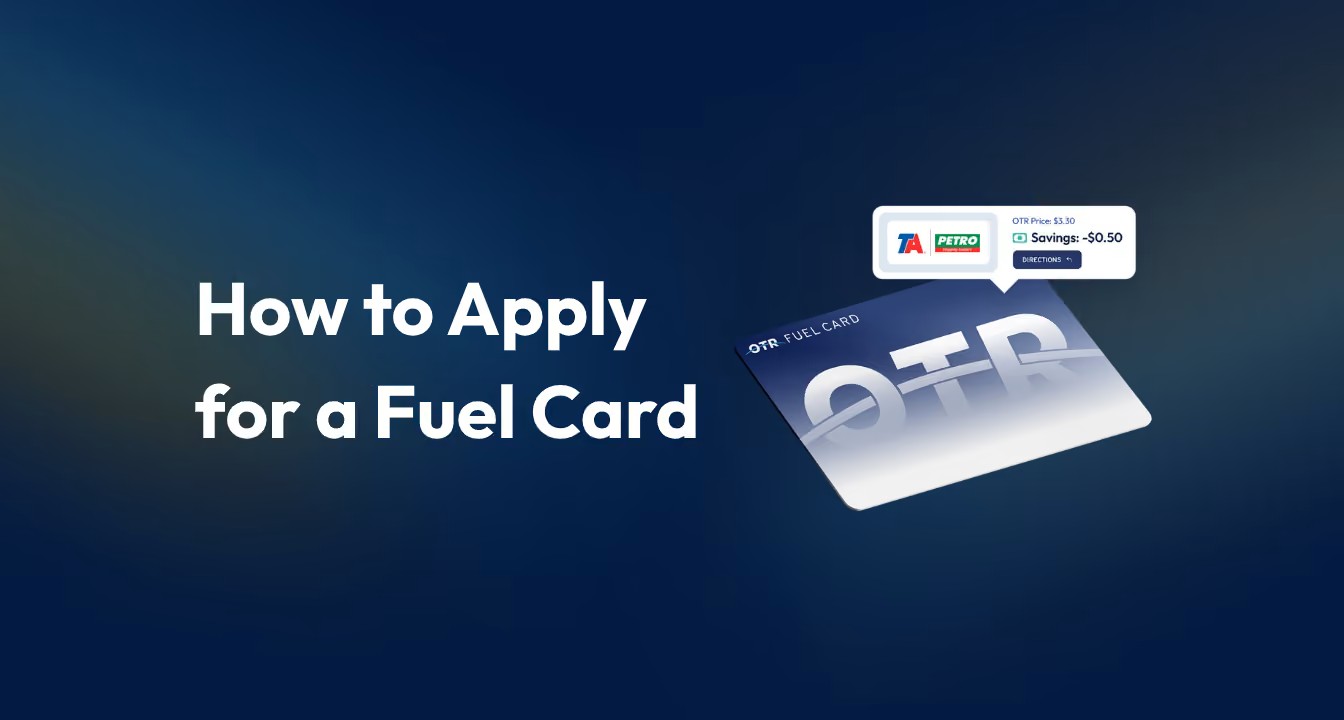
For example, OTR Solutions offers factoring clients access to the OTR Fuel Card, with average savings of $0.50 per gallon and $0 transaction fees at more than 3,000 in-network locations. Carriers who pair factoring with the fuel card may also qualify for a lower factoring rate.
For owner-operators and fleets putting thousands of miles on the road each month, those savings can add up, helping them keep more of what they earn.
Are there any downsides to freight factoring?
Freight factoring can be a valuable tool for trucking companies, but it isn't the right fit for every carrier. Factoring comes with a cost, and freight factoring rates, fees, and contract terms can vary significantly between providers. Depending on the agreement, these costs and requirements may outweigh the benefits for some carriers.
Some factoring contracts also include minimum volume requirements, termination fees, or recourse provisions that leave carriers responsible for certain unpaid invoices. That's why it's important to review freight factoring contracts carefully before signing.
Ultimately, the best factoring arrangement isn't necessarily the one with the lowest advertised rate. Consider the total cost, funding flexibility, nonpayment protection, and additional services to determine whether factoring makes sense for your business.
Keep your trucking business moving with OTR Solutions
Freight factoring can do more than shorten the wait between delivering a load and getting paid. From reducing administrative work to protecting against broker nonpayment and making room for growth, the right factoring partner can make running a trucking business a little easier.
At OTR Solutions, we help carriers spend less time worrying about unpaid invoices and more time moving freight. With True Non-Recourse Factoring, Truly Instant Funding, 24/7 broker checks, and additional benefits like the OTR Fuel Card, we're here to support your business beyond the invoice.
Ready to take control of your cashflow? Get started with OTR Solutions today.
Frequently asked questions
What is the biggest benefit of freight factoring?
Faster, more predictable access to money from completed loads is usually the biggest benefit. Carriers no longer have to rely only on a broker's or shipper's payment timeline before using revenue they've already earned.
Is freight factoring worth it for trucking companies?
Freight factoring is often worth it for carriers who regularly wait weeks for invoices to be paid and want more predictable access to cash. Whether it's worth the cost depends on factoring rates, customer payment terms, cashflow needs, and services included.
How quickly do trucking companies get paid with factoring?
Many factoring companies pay within 24 hours of invoice approval, though cutoff times and business hours can slow things down. With Truly Instant Funding, OTR Solutions offers 24/7 instant funding on approved invoices, including nights, weekends, and holidays.
Is freight factoring considered debt?
No. Freight factoring generally involves selling or assigning eligible invoices rather than taking out a conventional business loan. Carriers receive money for work they've already completed, so there's no loan balance to repay.
Can new trucking companies use freight factoring?
Yes, newer carriers can often qualify because factoring companies focus heavily on the creditworthiness of the brokers and shippers paying the invoices. Requirements vary by factoring company, so review each provider's application criteria before applying.
Can owner-operators use freight factoring?
Yes. Owner-operators often use factoring to bridge the gap between completing loads and getting paid, so they can keep covering fuel, insurance, maintenance, and truck payments without waiting weeks on broker or shipper payment terms.